Glaucoma

Glaucoma

Glaucoma

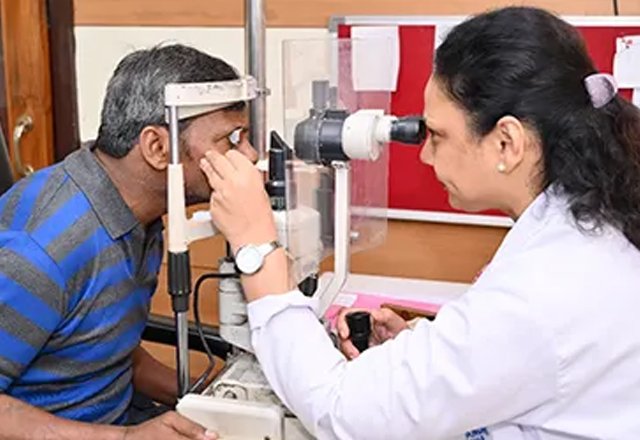
Early diagnosis and treatment aimed at reducing pressure inside the eye can save your vision. Each Indira Gandhi Eye Hospital and Research Centre has a modern Glaucoma unit that is equipped with state-of-the-art technology and offers a range of treatments that are best in class in northern India. A team of experienced nationally and internationally acclaimed surgeons who are experts in the treatment of all kinds of Glaucoma ensure a high success rate. Patients of all ages, from new-borns to the elderly, are treated and can be confident of receiving the best possible care related to Glaucoma. We also operate a training centre where many ophthalmologists have been trained in glaucoma diagnostic and management.
https://youtu.be/EsOsIJxiqyg

Technical set up

  • Applanation tonometry
  • Gonioscopy
  • HFA – Humphery Field Analyser (Zeiss)
  • OCT- Optical Coherence Tomography (Zeiss)
  • Fundus photography (Zeiss)
  • ASOCT – Anterior segment Optical Coherence Tomography (Zeiss)
  • Specular Microscopy
  • Biometry
  • Digital Photography
  • Nd-YAG laser
  • Laser suture Lysis
  • Diode CPC – Cyclophotocoagulation

Treatment

  • Antiglaucoma medications
  • Laser Procedures
  • Surgical Proceduress

Surgical services

  • Trabeculectomy with or without Mitomycin C or 5-FU
  • Combined Trabeculectomy with IOL implantation (Phaco/Manual Phaco)
  • Trabeculotomy + Trabeculectomy
  • Glaucoma drainage Devices – Valve/Tube implants
  • Minimal invasive glaucoma surgery
  • Bleb Needling
  • Bleb Repair/Revision
  • Laser Iridotomy
  • Laser Suture Lysis
  • Laser Hyaloidotomy
  • Laser Vitreolysis
  • Diode laser Cyclophotocoagulation
  • Cyclocryo

Frequently Asked Questions

What is Glaucoma?


Glaucoma, also called the silent thief of sight, slowly damages the eyes and can cause irreparable harm before there is any vision loss. It is a group of diseases of the eye, where the nerve connecting the eye to the brain that carry signals to the brain is damaged, usually due to high pressure but can also occur at normal eye pressure, thus resulting in loss of vision or blindness.

In our eye a clear fluid called as aqueous humor is secreted that nourishes the eye and drains back with waste products through drainage channels.
Under normal circumstances a balance is maintained between secretion and drainage. Where as in glaucoma because of blockage of the drainage channel, the balance is disturbed and cause increase of fluid pressure inside the eye.

This increased pressures strains the optic nerve of the eye ultimately damaging them and resulting in vision problems.

Anyone whose:
Age is over 40 years

Has a family history of glaucoma

Has myopia or hypermetropia

Has diabetes, hypertension, hyperthyroidism

Has increased eye pressure or eye injury

Has a history of long-term steroid intake

Has had eye surgeries

Has a problem from birth

In many cases, there are no symptoms of glaucoma noticed by patients. Most common type Primary Open Angle Glaucoma has no symptoms until it reaches advanced stage. That is why glaucoma is often called the “silent thief of sight”. The main sign is usually a loss of side, or peripheral vision.
Angle closure glaucoma symptoms usually come on faster and are more obvious. Damage can happen quickly. If you have any of these symptoms, get medical care right away:

Seeing halos around lights

Seeing halos around lights

Redness in your eye

Eye that looks hazy (particularly in infants)

Eye pain

Eye specialists can detect the glaucoma by conducting few in-clinic tests in which they measure eye pressure and see the structure of optic nerve through special apparatus. All tests are painless.
It can also be detected by taking images of the structures inside of your eyes through various diagnostic apparatus by your doctor.

The main goal of the glaucoma treatment is to prevent the progression of the disease and to prevent further damage to the optic nerve, thus saving vision.
And the goal is achieved by lowering the eye pressure by medications, lasers or surgeries.

Glaucoma, also called the silent thief of sight, slowly damages the eyes and can cause irreparable harm before there is any vision loss. It is a group of diseases of the eye, where the nerve connecting the eye to the brain that carry signals to the brain is damaged, usually due to high pressure but can also occur at normal eye pressure, thus resulting in loss of vision or blindness.

In our eye a clear fluid called as aqueous humor is secreted that nourishes the eye and drains back with waste products through drainage channels.
Under normal circumstances a balance is maintained between secretion and drainage. Where as in glaucoma because of blockage of the drainage channel, the balance is disturbed and cause increase of fluid pressure inside the eye.

This increased pressures strains the optic nerve of the eye ultimately damaging them and resulting in vision problems.

Anyone whose:
Age is over 40 years

Has a family history of glaucoma

Has myopia or hypermetropia

Has diabetes, hypertension, hyperthyroidism

Has increased eye pressure or eye injury

Has a history of long-term steroid intake

Has had eye surgeries

Has a problem from birth

In many cases, there are no symptoms of glaucoma noticed by patients. Most common type Primary Open Angle Glaucoma has no symptoms until it reaches advanced stage. That is why glaucoma is often called the “silent thief of sight”. The main sign is usually a loss of side, or peripheral vision.
Angle closure glaucoma symptoms usually come on faster and are more obvious. Damage can happen quickly. If you have any of these symptoms, get medical care right away:

Seeing halos around lights

Seeing halos around lights

Redness in your eye

Eye that looks hazy (particularly in infants)

Eye pain

Eye specialists can detect the glaucoma by conducting few in-clinic tests in which they measure eye pressure and see the structure of optic nerve through special apparatus. All tests are painless.
It can also be detected by taking images of the structures inside of your eyes through various diagnostic apparatus by your doctor.

The main goal of the glaucoma treatment is to prevent the progression of the disease and to prevent further damage to the optic nerve, thus saving vision.
And the goal is achieved by lowering the eye pressure by medications, lasers or surgeries.

Scroll to Top